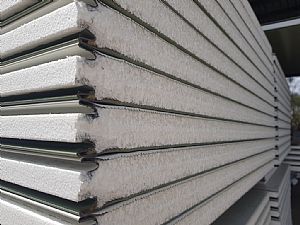
How to Choose the Right Cool Room Panel Thickness for Your Sydney Business
Choosing the right cool room panel thickness is one of the most important decisions a Sydney business owner can make before a cold storage build begins. Get it wrong, and you may face higher energy bills, inconsistent temperatures, and compliance issues. Get it right and your cool room can run efficiently for years. Working with experienced Cool Room Panel Builders in Sydney, NSW, helps you land on the right specification from day one.
Why Panel Thickness Matters for Your Cold Storage Build
Panel thickness directly determines how well your cool room holds its target temperature. Thicker panels carry a higher R-value, meaning they resist heat transfer more effectively. In practical terms, this means less load on your refrigeration equipment, lower energy consumption, and a more stable internal environment.
Sydney's climate adds an extra layer of consideration. With summer temperatures regularly reaching the high 30s in Western Sydney suburbs such as Blacktown, Parramatta, and Penrith, the ambient heat load on your cool room walls is substantial. Businesses in industrial estates west of the CBD also deal with radiant heat from metal roof structures, so panel selection must account for local conditions rather than generic specifications.
The cost of under-specifying is real. An undersized panel forces refrigeration units to work harder, shortens equipment life, and risks temperature excursions that can compromise perishable stock or pharmaceutical products.
What Thickness Should You Choose for Each Temperature Zone?
The correct thickness depends primarily on the temperature zone your cool room must maintain. Experienced Cool Room Panel Builders can assess your requirements and recommend the right depth for each zone.
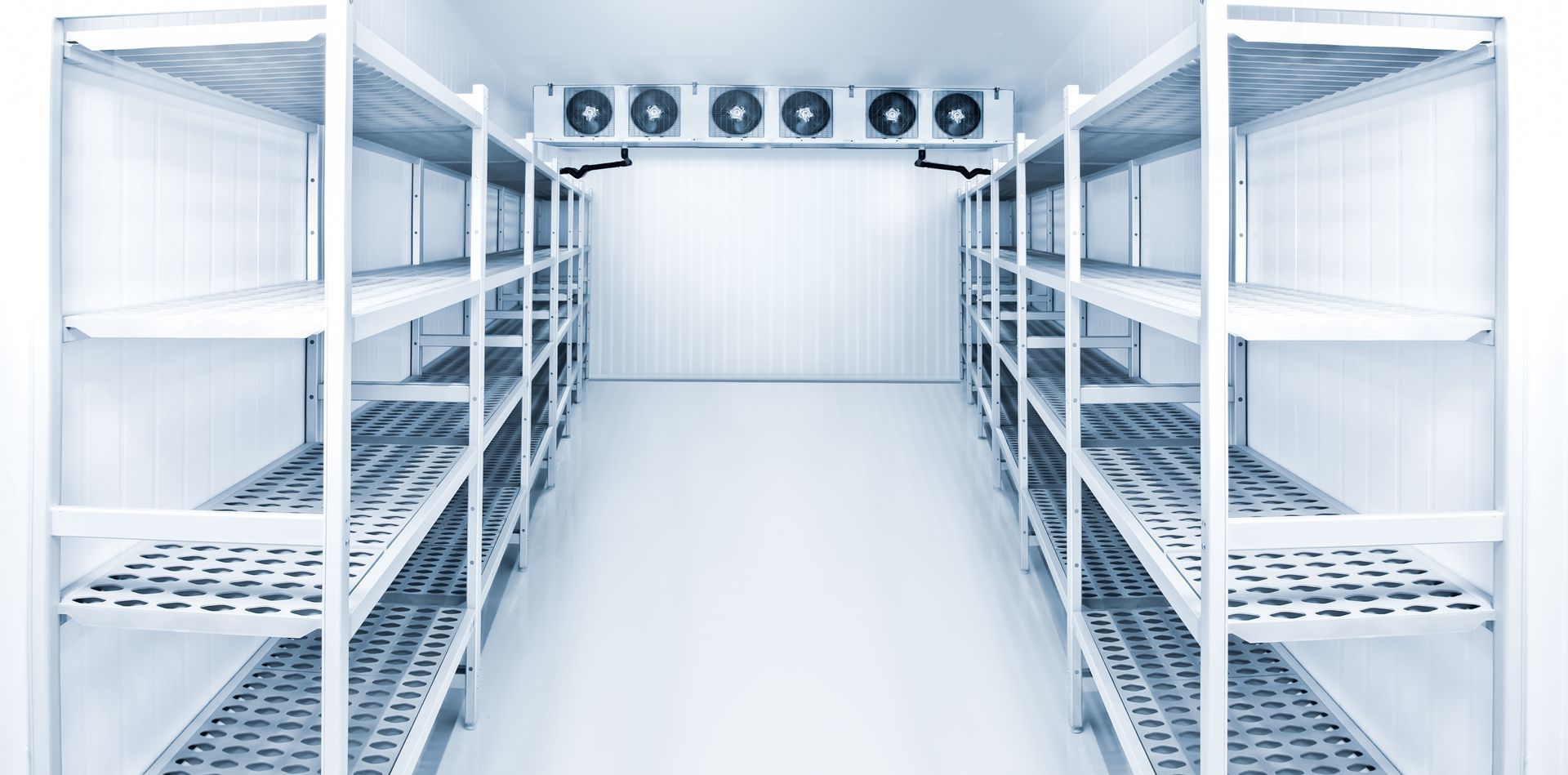
Chiller rooms (0°C to +4°C) are common in food retail, hospitality, and fresh produce storage. A 100 mm EPS-FR panel can often suit chiller applications in Sydney, though higher ambient conditions may call for greater depth during peak summer heat.
Freezer rooms (-18°C to -25°C) demand significantly more insulation because the temperature differential between interior and exterior air is far greater. Panels in the 150 mm to 200 mm range are commonly specified, and minimising thermal bridging at joints and edges becomes critical.
Blast freeze rooms (-30°C to -40°C) operate at the most extreme end of the spectrum, used in food manufacturing, seafood processing, and pharmaceutical cold chain applications. Panel selection here requires careful engineering input. Reputable Cool Room Panel Builders will always recommend a detailed engineering review for blast freeze projects.
For a detailed overview of panel options suited to each application, visit the insulated panels page.
EPS-FR vs PIR: How Core Material Affects Thickness Choice
Not all panels of the same thickness perform equally. The core material has a major influence on thermal performance.
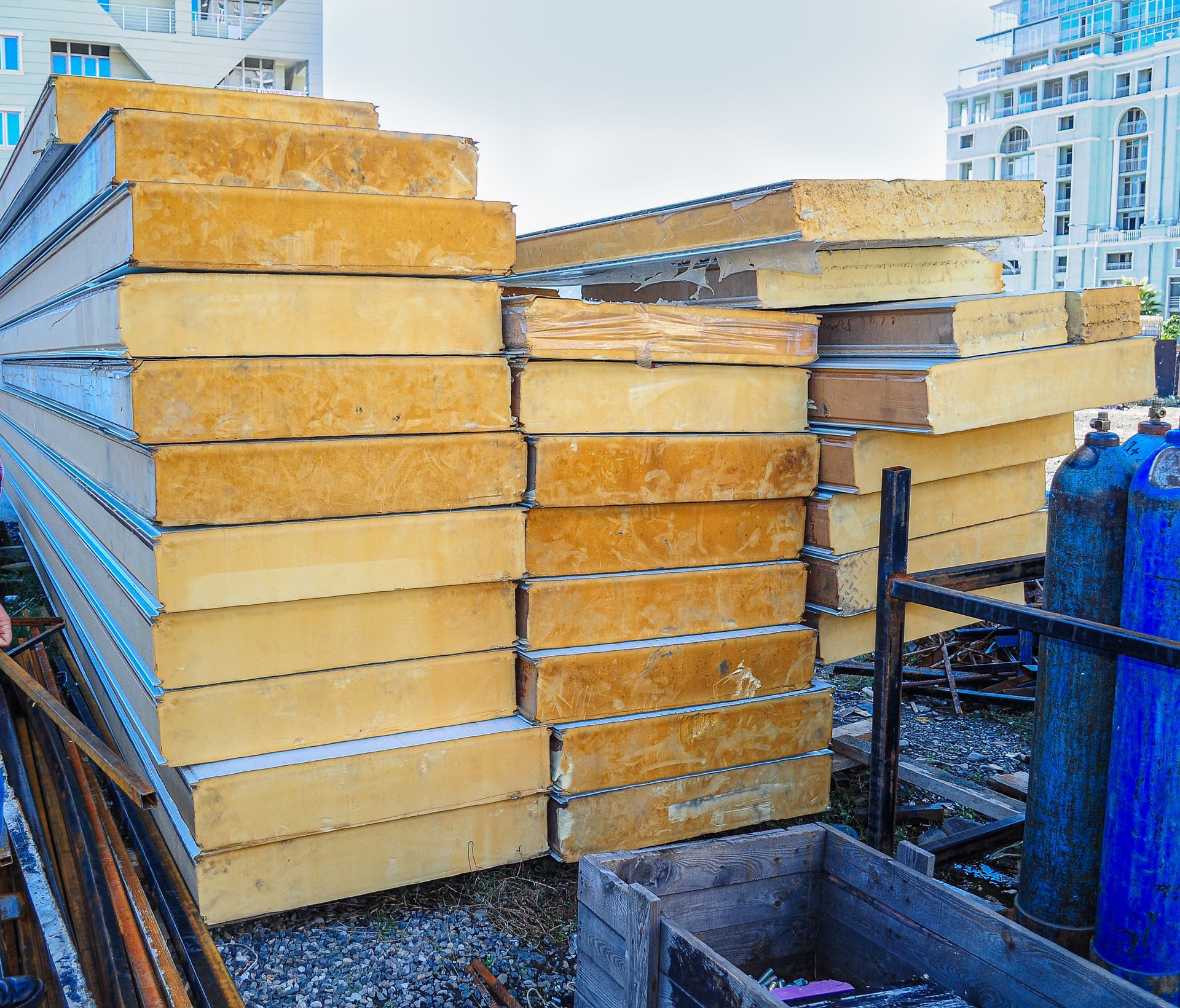
EPS-FR (Expanded Polystyrene Fire Retardant) panels are cost-effective and widely used across food retail, hospitality, and general cold storage. Because EPS-FR has a lower thermal resistance per millimetre compared to PIR, a thicker panel may be needed to achieve the same R-value.
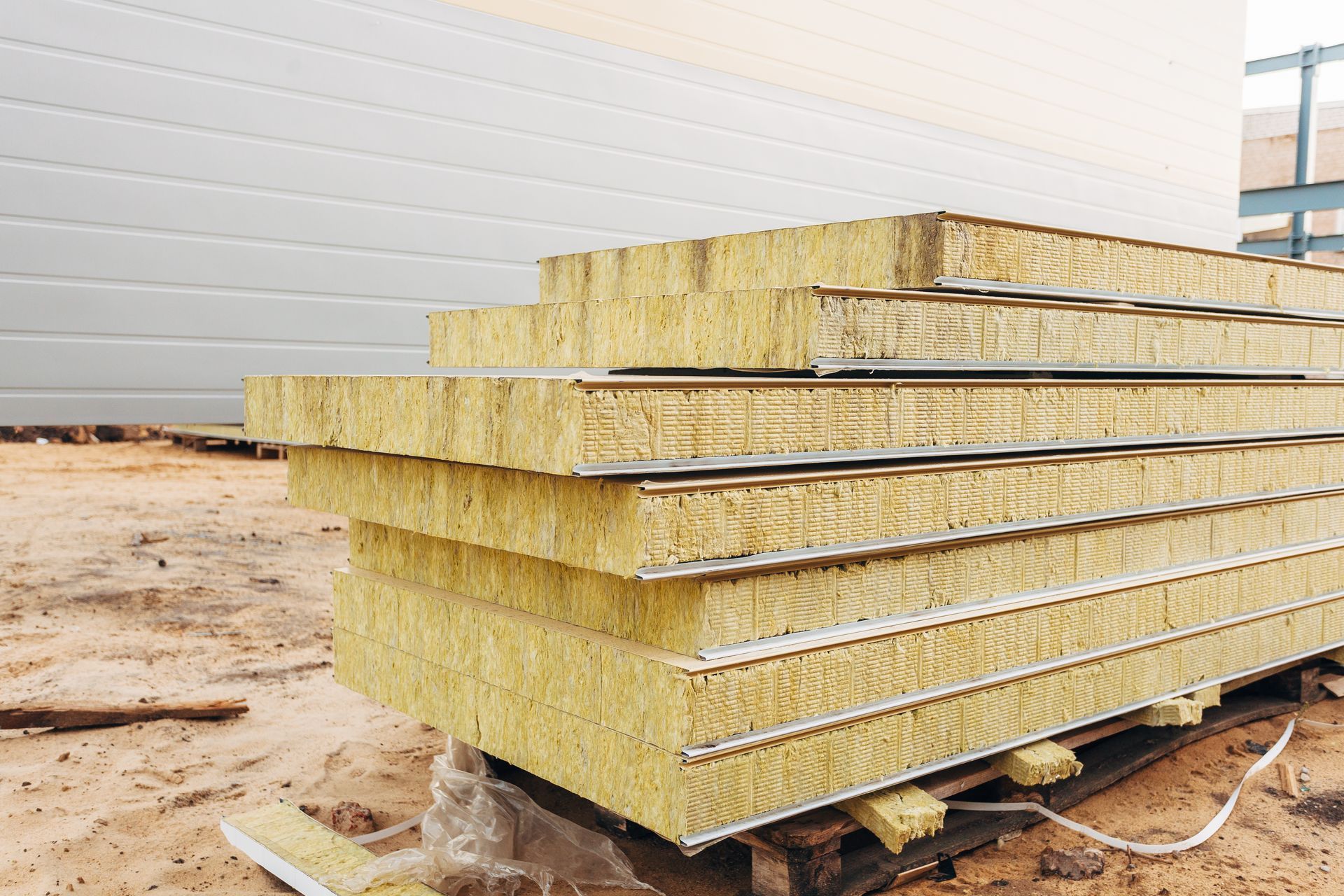
PIR (Polyisocyanurate) panels offer higher thermal performance per unit of thickness, meaning you may achieve the same insulation value with a thinner construction. For businesses where space is at a premium, PIR offers a practical advantage. Its fire resistance and hygienic face also make it a preferred choice in pharmaceutical, biotechnology, and hygiene-critical applications.
Discussing these options with knowledgeable Cool Room Panel Builders ensures you select the core material that suits your compliance needs and operational environment. You can explore the specifics on the EPS-FR insulated panels and PIR fire-resistant panels pages.
Industry-Specific Thickness Considerations in Sydney
Food retail and supermarkets need reliable chiller and freezer zones that handle frequent door openings and high traffic. Consistent thermal performance across all panel joints is essential.
Hospitality venues in inner Sydney often work within tight floor plans. PIR panels help maintain insulation performance while minimising wall thickness.
Pharmaceutical and clean room environments require tight temperature control and hygienic surfaces. PIR's fibre-free face and higher thermal resistance suit these applications well.
Food manufacturing and logistics operations, including blast freeze facilities in Western Sydney's industrial corridor, typically need the heaviest insulation specifications and benefit from engineering guidance during the design phase.
Frequently Asked Questions About Cool Room Panel Thickness
Does Sydney's Climate Affect the Panel Thickness I Need?
Yes. Sydney's warm to hot summers, particularly in western suburbs, increase the ambient heat load on cool room walls. A slightly thicker panel or higher-performing core material may be advisable compared to installations in cooler climates.
Can I Use the Same Panel Thickness for a Chiller and a Freezer Room?
Generally not. Freezer rooms require a greater temperature differential from ambient conditions and typically need thicker panels or a higher-performance core to achieve the same thermal efficiency as a chiller room.
Is PIR Always Better Than EPS-FR for Thickness Reduction?
PIR offers higher thermal resistance per millimetre, which can allow for a thinner construction. However, EPS-FR remains cost-effective for many applications and may be entirely appropriate depending on the temperature zone and ambient conditions.
How Do I Know Which Thickness Is Right for My Business?
Discuss your temperature requirements, product type, room size, and site conditions with experienced Cool Room Panel Builders. A tailored design assessment will give you far more reliable guidance than a generic specification.
Talk to the Right Team Before You Build
Getting panel thickness right from the start saves money and prevents operational headaches. Thermal Panel Solutions, serving Sydney, NSW, brings over 30 years of experience designing and building cool rooms for food retail, hospitality, pharmaceutical, and industrial clients across the region.
Contact the team to request a free, no-obligation consultation, or call (02) 9671 1100 to speak with a specialist today. You can also find Thermal Panel Solutions on Google Maps for directions and reviews.